Fiber in Everyday Meals: Simple Ways to Get More
Disclosure: FitVibeLife may earn from affiliate links, ads and our own guides on this site. Learn more.
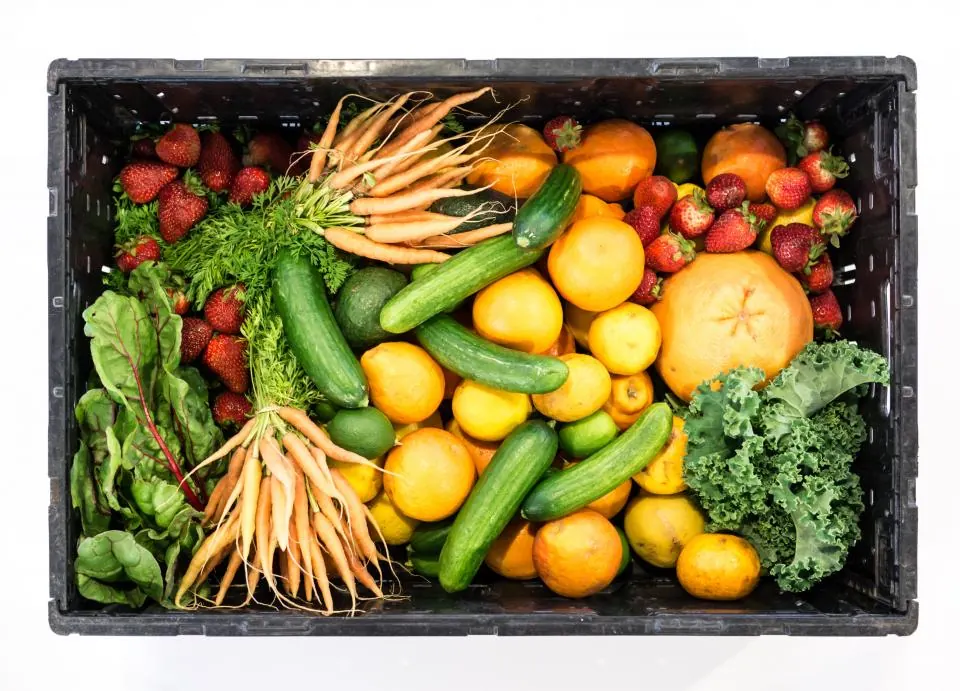
Fiber is the part of plant foods that your body does not fully digest. It is not a supplement you have to buy first. It is already in oats, beans, lentils, fruit, vegetables, nuts, seeds and whole grains.
Why it shows up in the guidelines
The Dietary Guidelines for Americans encourage eating more vegetables, fruits, beans, lentils and whole grains, which are the main everyday sources of fiber. MedlinePlus, from the National Library of Medicine, describes fiber as a carbohydrate in plant foods that adds bulk, supports digestion and is part of a healthy eating pattern. Most people in the U.S. eat less fiber than is generally recommended.
Fiber is not a cure, and no single food is a treatment. The useful habit is simply eating more plants you enjoy, most days.
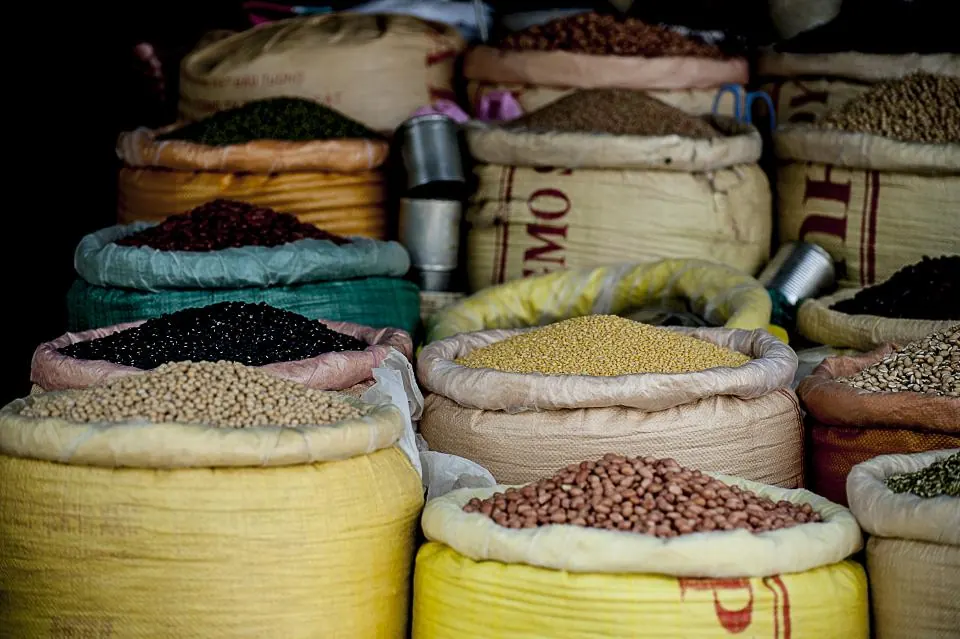
How much do adults generally need?
The Dietary Guidelines recommend about 14 grams of fiber for every 1,000 calories you eat. MedlinePlus describes a usual adult range of about 21 to 38 grams a day, depending on age and calorie needs.
You do not need to count grams unless you want to. A practical approach is to include a fruit or vegetable at most meals, choose beans or lentils a few times a week, and pick oats, brown rice, whole-wheat bread or another whole grain when you have the choice.
Easy additions that do not require a new diet
- Breakfast: oats with berries, or whole-wheat toast with peanut butter and a banana
- Lunch: add a handful of beans or chickpeas to a salad or soup; keep the skin on potatoes
- Dinner: a half-plate of vegetables, plus rice, roti or pasta, and a protein you like, as in the balanced-plate method
- Snacks: an apple, pear, carrots, or a small handful of nuts
If you suddenly eat a lot more fiber than usual, some people feel bloated. Increase gradually and drink water with meals. If you have a digestive condition, or fiber makes symptoms worse, talk with a doctor or registered dietitian before you make big changes.
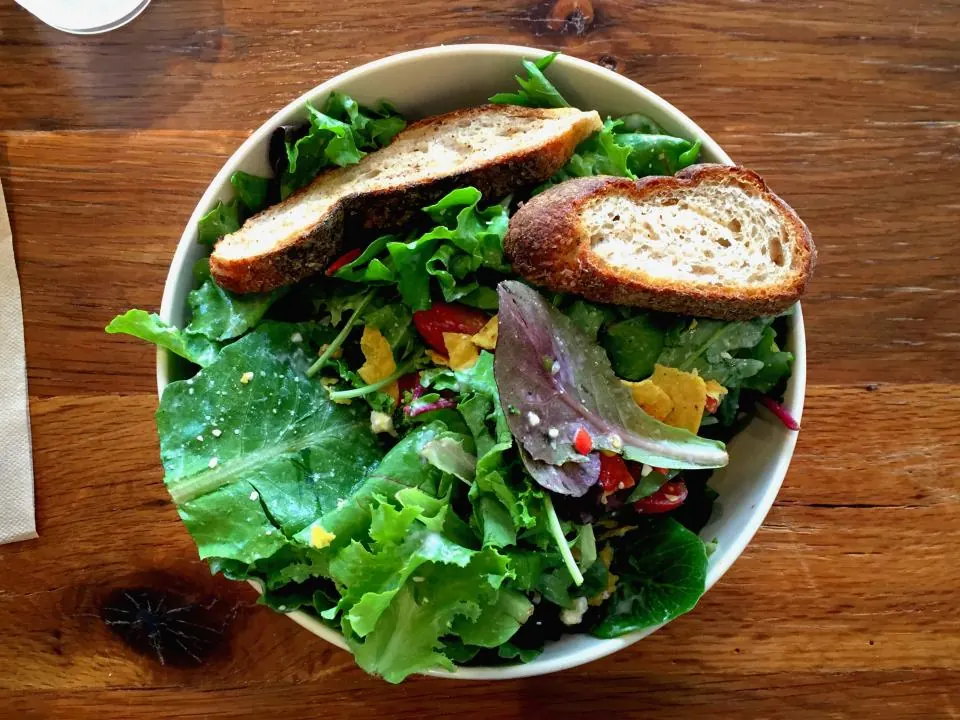
Food first
The useful habit is fiber from food, not from pills. A fiber supplement can be appropriate for some people when a clinician recommends it, but it is not a substitute for vegetables, fruit, beans and whole grains.
If you want a week of meals already built this way, the free 7-day balanced meal plan and the 30-Day Balanced Meal Plan use the same idea.
References
- U.S. Department of Agriculture and U.S. Department of Health and Human Services. Dietary Guidelines for Americans.
- MedlinePlus, National Library of Medicine. Dietary Fiber and Fiber (Medical Encyclopedia).
This article is general information, not medical advice. For personal guidance, talk with a doctor, registered dietitian or other qualified professional. In a crisis in the U.S., call or text 988.
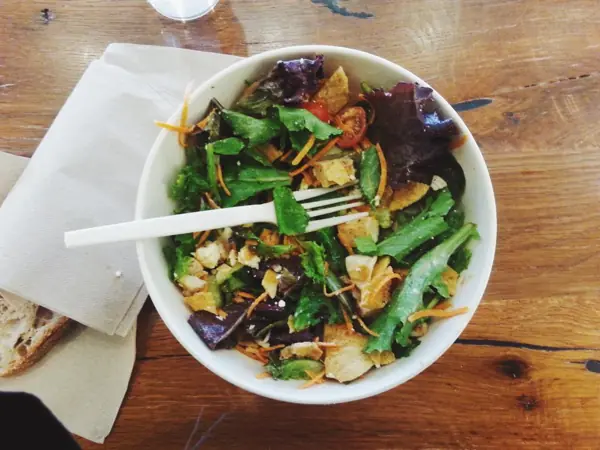
Free 7-Day Balanced Meal Plan
A simple week of breakfasts, lunches, dinners and snacks, plus a grocery list. Join the FitVibeLife email list and get it free. Occasional emails with new posts and guides; unsubscribe any time.
Related posts
Protein Basics: Easy Everyday Sources (Including Plant-Based Ones)
What protein does, simple ways to spread it through the day, and a list of affordable animal and plant sources.
Meal Prep for Beginners: One Hour on Sunday, Easier Meals All Week
A simple one-hour prep routine: a grain, a protein, a tray of vegetables and a sauce, mixed into different meals.
The Balanced Plate: A Simple Way to Build Meals Without Counting Everything
Half vegetables, a quarter protein, a quarter starch, plus a little fat. Here is how the plate method works for breakfast, lunch and dinner.