Protein Basics: Easy Everyday Sources (Including Plant-Based Ones)
Disclosure: Some links in this post are (or may become) affiliate links. If you buy through them, FitVibeLife may earn a small commission at no extra cost to you. We also sell our own guides. Learn more.
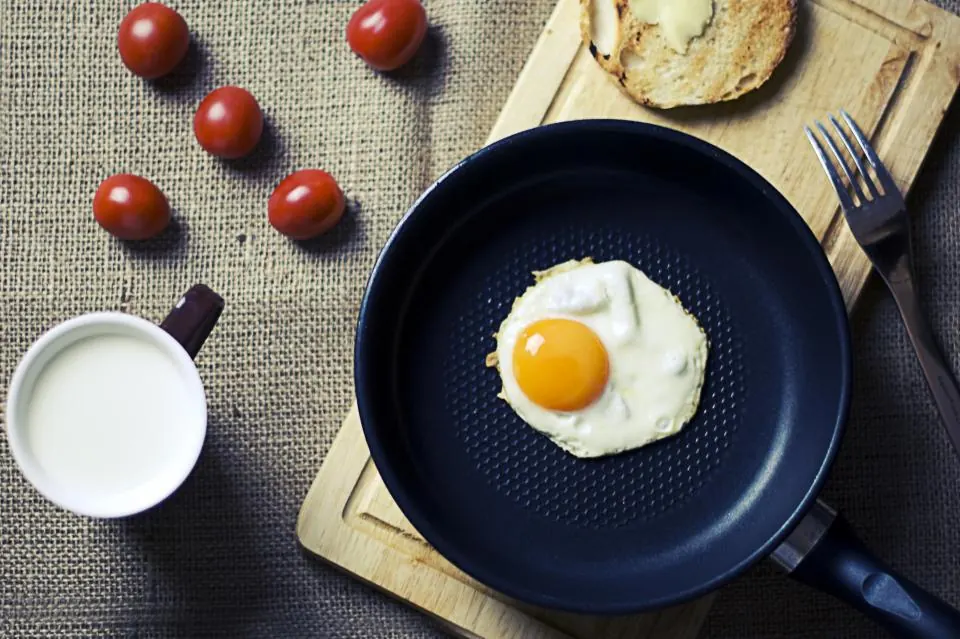
Protein comes up in almost every fitness conversation, and the advice can get extreme. The basics are simpler: include a source of protein at most meals, choose a variety of foods, and do not rely on supplements to do the work of a balanced diet.
What protein does
Protein provides building blocks your body uses for muscles, skin, enzymes and much more. It also tends to make meals more satisfying, which can help you feel full between meals.

Spread it through the day
Many people eat little protein at breakfast and most of it at dinner. An easy upgrade is to include a source at each meal:
- Breakfast: eggs, Greek yogurt, cottage cheese, milk or soy milk with oats, or a tofu scramble
- Lunch: beans or lentils in a salad or soup, tuna, chicken, or hummus with vegetables
- Dinner: fish, chicken, lean meat, tofu, tempeh, paneer or a lentil dal
- Snacks: a handful of nuts, roasted chickpeas, a boiled egg or a glass of milk
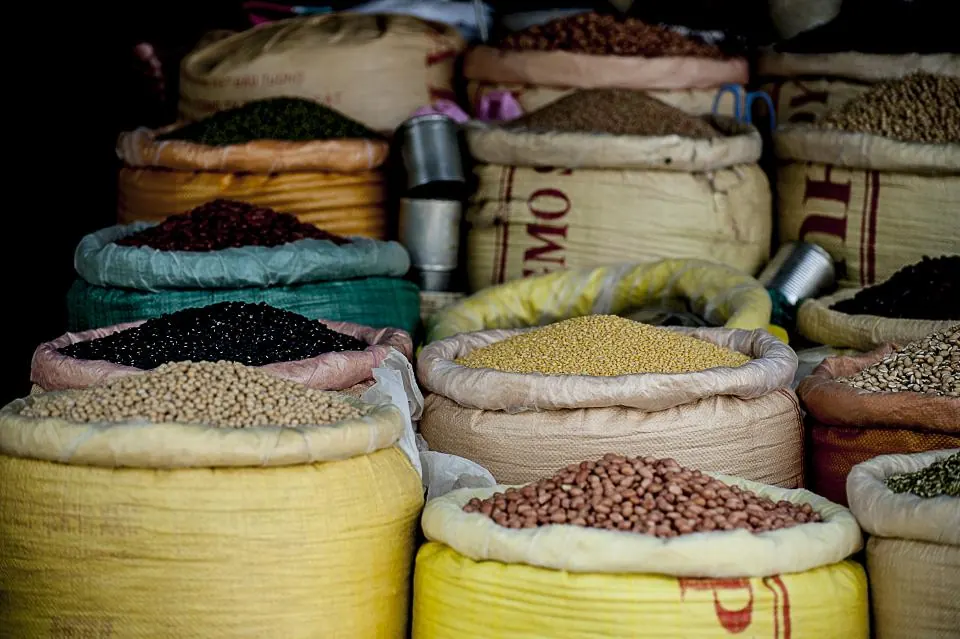
Affordable sources
| Food | Why it is handy |
|---|---|
| Eggs | Quick, cheap and versatile |
| Canned beans and lentils | Fiber plus protein; rinse to reduce salt |
| Dried lentils | Cook in about 20 minutes without soaking |
| Greek yogurt | Breakfast, snacks and sauces |
| Canned tuna or salmon | Shelf-stable, easy lunches |
| Tofu | Takes on any flavor |
| Peanut butter | Pairs with fruit, oats and toast |
| Chicken thighs | Usually cheaper than breasts and hard to overcook |
What about protein powder?
Powders are a convenience, not a requirement. Most people can meet their needs with ordinary food. If you choose a protein powder for convenience, look for third-party testing and a short ingredient list, and check with a health professional if you have kidney problems or other conditions.
Plant-based eaters
Beans, lentils, peas, tofu, tempeh, edamame, nuts, seeds and whole grains all contribute protein. Eating a variety through the day is a simple way to cover your bases.
General information, not medical or dietetic advice. Individual needs vary with age, activity, health conditions and pregnancy; a registered dietitian can help you set personal targets.
This article is general information, not medical advice. For personal guidance, talk with a doctor, registered dietitian or other qualified professional. In a crisis in the U.S., call or text 988.
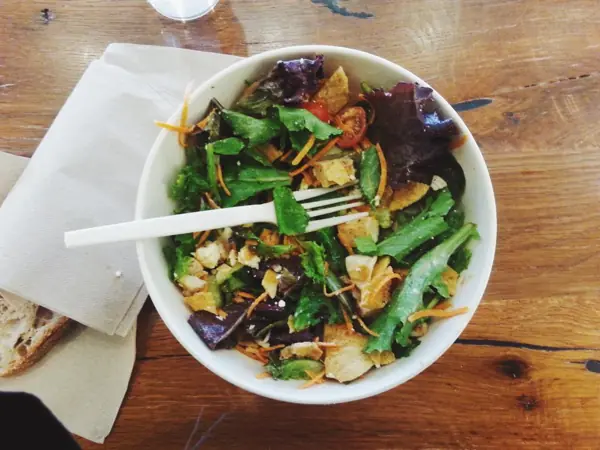
Free 7-Day Balanced Meal Plan
A simple week of breakfasts, lunches, dinners and snacks, plus a grocery list. Join the FitVibeLife email list and get it free. Occasional emails with new posts and guides; unsubscribe any time.
Related posts
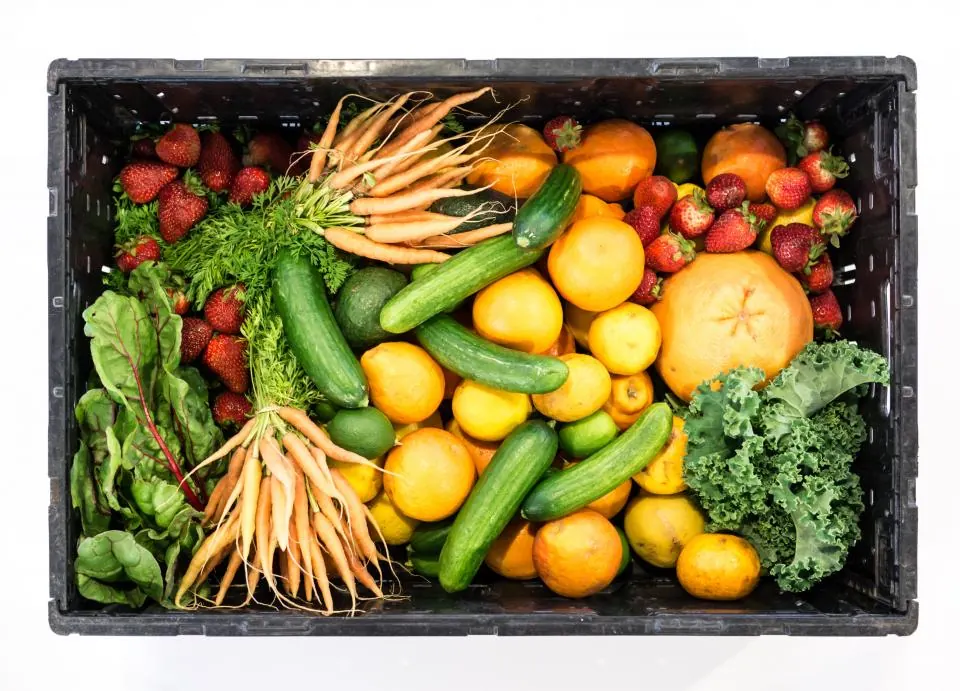
Fiber in Everyday Meals: Simple Ways to Get More
Why fiber from ordinary foods matters, how much adults are generally advised to eat, and easy ways to add beans, oats, fruit and vegetables to meals y
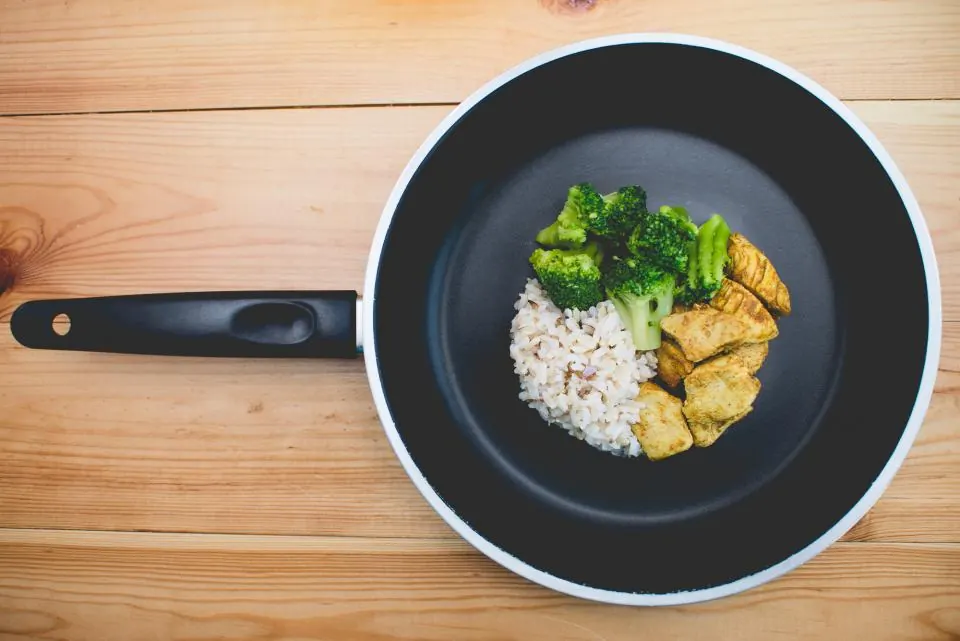
Meal Prep for Beginners: One Hour on Sunday, Easier Meals All Week
A simple one-hour prep routine: a grain, a protein, a tray of vegetables and a sauce, mixed into different meals.
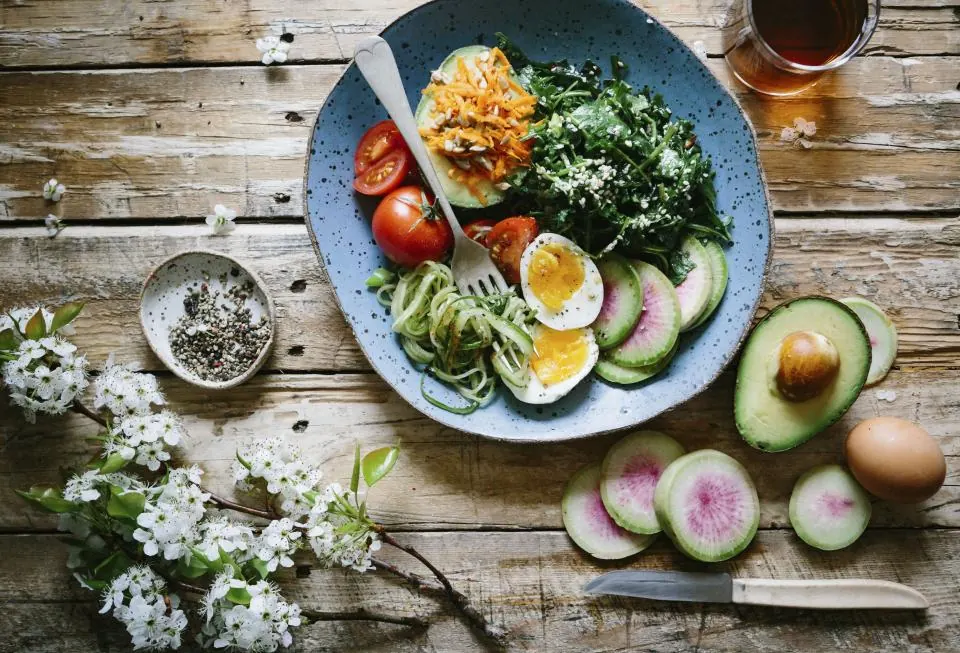
The Balanced Plate: A Simple Way to Build Meals Without Counting Everything
Half vegetables, a quarter protein, a quarter starch, plus a little fat. Here is how the plate method works for breakfast, lunch and dinner.