A 20-Minute Home Workout You Can Do With No Equipment
Disclosure: Some links in this post are (or may become) affiliate links. If you buy through them, FitVibeLife may earn a small commission at no extra cost to you. We also sell our own guides. Learn more.

You do not need a gym, a mat or a big block of time to train your whole body. You need about 20 minutes, a patch of floor and a plan you can repeat. This one uses six basic moves and works in a living room, a hotel room or a garage.
Warm-up (4 minutes)
Move at an easy pace. You should be able to talk the whole time.
- 60 seconds of marching in place, swinging your arms
- 10 slow arm circles each way
- 10 hip circles each way
- 10 bodyweight good-mornings (hands on hips, hinge forward from the hips with a long back)
- 60 seconds of easy step-jacks (step one foot out at a time instead of jumping)

The circuit (3 rounds, about 13 minutes)
Do each move for 40 seconds, then rest for 20 seconds. After all six moves, rest for one minute and start the next round.
- Squats. Feet about shoulder-width apart. Sit back as if reaching for a chair, keep your chest up, then stand tall. Use a real chair behind you if you want a target.
- Incline push-ups. Hands on a sturdy table, counter or the seat of a couch pushed against a wall. The higher your hands, the easier it is. Lower your chest with a straight body, then press away.
- Reverse lunges. Step one foot back, lower both knees gently, then return. Alternate legs. Hold a wall for balance if you need to.
- Glute bridges. Lie on your back with knees bent. Press through your heels and lift your hips until your body makes a line from shoulders to knees. Pause, then lower.
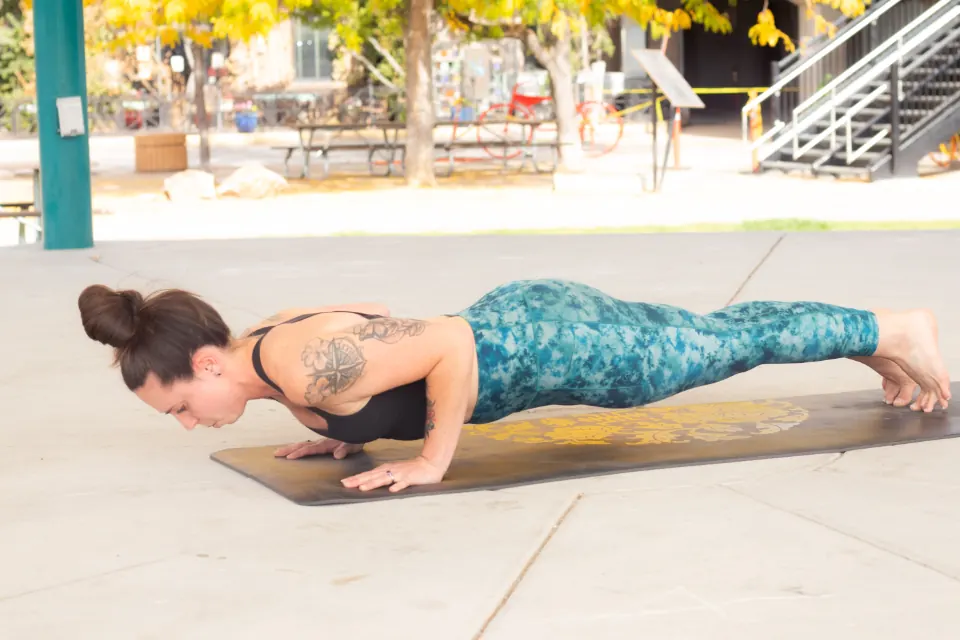
- Plank. Forearms on the floor, body straight from head to heels. Drop to your knees whenever your form slips.
- Fast feet or step-jacks. Light, quick steps in place to bring your heart rate up at the end of each round.
Cool-down (3 minutes)
- Walk slowly around the room for a minute
- Hold a calf stretch against the wall, 30 seconds per side
- Hold a standing quad stretch, 30 seconds per side
- Finish with five slow breaths
Make it easier or harder
Gentler: do two rounds instead of three, rest 30 seconds between moves, and keep your hands high for push-ups.
Harder: add a fourth round, move your push-up hands lower, add a pause at the bottom of each squat, or hold a filled backpack for squats and lunges.
How often?
Two or three times a week, on days that are not back to back, is a sensible starting point for most people. On the days in between, a brisk walk is a great companion.
If you want some equipment later, a set of light-to-medium resistance bands is cheap, packs flat and adds variety to every move above.
Keep it safe
Stop if you feel sharp pain, dizziness or chest discomfort. If you are new to exercise, pregnant, recovering from an injury or managing a health condition, check with a qualified health professional before starting a new routine.
Want a full plan that builds week by week? The 30-Day Home Workout Plan lays out every session, with rest days and progressions.
This article is general information, not medical advice. For personal guidance, talk with a doctor, registered dietitian or other qualified professional. In a crisis in the U.S., call or text 988.

Free 7-Day Balanced Meal Plan
A simple week of breakfasts, lunches, dinners and snacks, plus a grocery list. Join the FitVibeLife email list and get it free. Occasional emails with new posts and guides; unsubscribe any time.
Related posts
Strength Training Twice a Week: A Simple Home Start
How to start muscle-strengthening work at home two days a week, in line with CDC guidance, using bodyweight movements and a short, repeatable session.

How Much Activity Do Adults Need Each Week?
A plain-language look at the U.S. activity guidelines for adults, and simple ways to build toward 150 minutes of movement plus two days of muscle work
A 10-Minute Stretching Routine for People Who Sit All Day
Gentle stretches for your neck, chest, hips and back that you can do beside your desk or before bed.