Strength Training Twice a Week: A Simple Home Start
Disclosure: Some links in this post are (or may become) affiliate links. If you buy through them, FitVibeLife may earn a small commission at no extra cost to you. We also sell our own guides. Learn more.
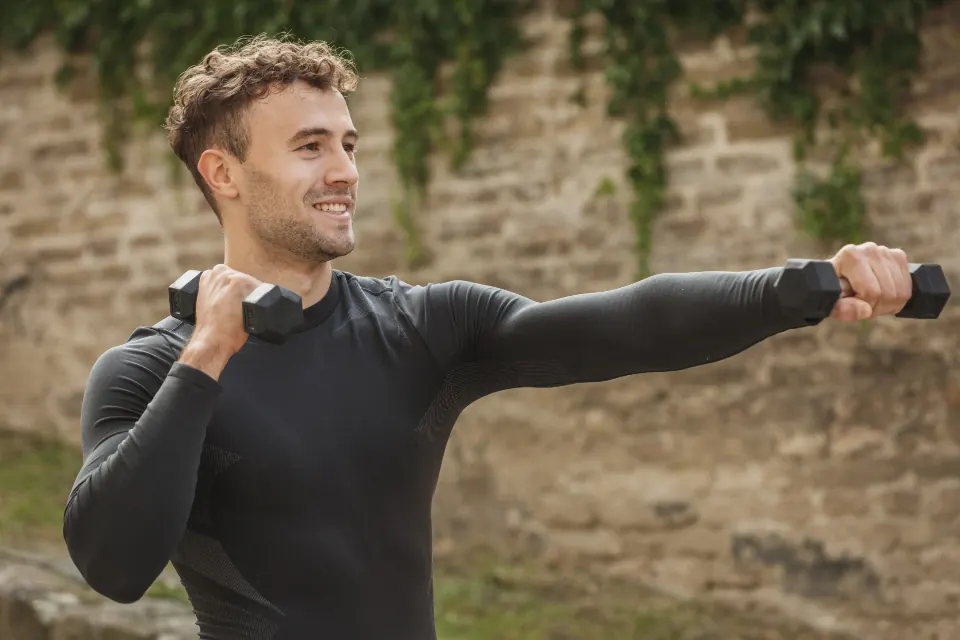
Aerobic activity such as walking is one half of the usual adult activity target. The other half is muscle-strengthening work on two or more days a week. You can do that at home, in about 20 to 30 minutes, without a gym membership.
What the guidelines actually say
The CDC's adult activity guidelines and the Physical Activity Guidelines for Americans advise most adults to do muscle-strengthening activities that work the major muscle groups (legs, hips, back, abdomen, chest, shoulders and arms) on at least two days each week.
They do not require heavy barbells. They do require that the movements feel challenging by the last few repetitions. One set of 8 to 12 repetitions can be a starting point; more sets are fine as you get used to the work.
A twice-a-week home template
Pick two days with at least one rest day between them, for example Monday and Thursday. On each day, move through this circuit two or three times, resting as needed:
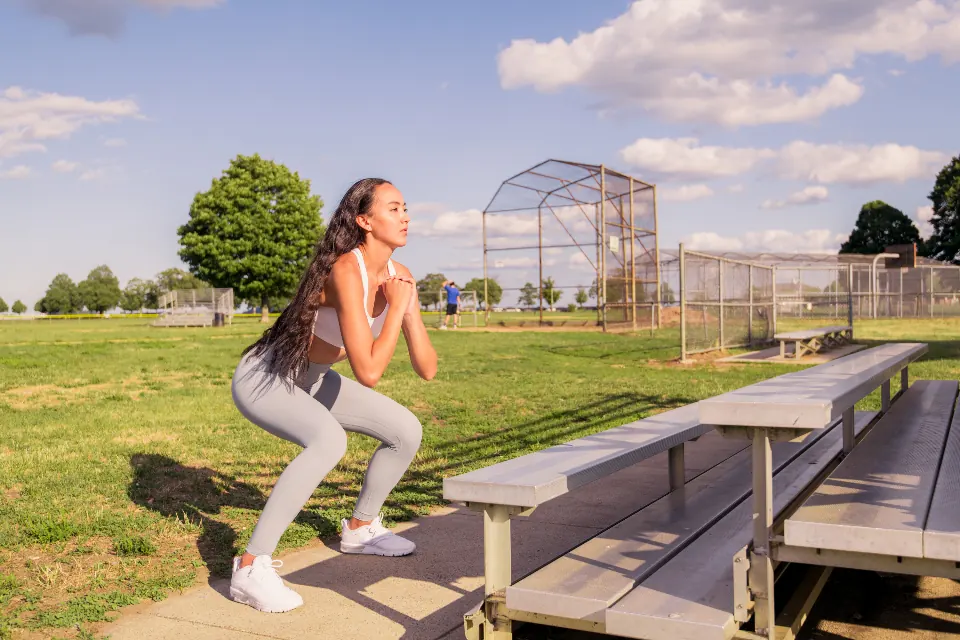
- Sit-to-stand or squat — from a chair if you need support
- Wall or counter push-up, then floor push-up when that feels easy
- Hip hinge or standing good morning — a slight bend at the hips with a straight back, or a hip bridge on the floor
- Row — a backpack, resistance band or a towel row around a solid post
- Overhead reach or light press — cans of food are enough at first
- A short core hold — a plank on the floor or against a counter
Aim for 8 to 12 controlled repetitions of each movement, or 15 to 30 seconds for holds. Stop a movement if you feel sharp pain. Mild muscle tiredness is expected; joint pain is a signal to ease off or change the exercise.
A yoga mat and a light resistance band are optional. Comfortable clothes and a clear patch of floor are enough.
How this fits with walking and rest
Keep your walks or other aerobic activity on the other days if you can. Sleep and a rest day between strength sessions help you recover. The CDC notes that some activity is better than none, so two short sessions you actually repeat are more useful than an ambitious plan you abandon.
If you want a written four-week progression with easier and harder options, see the 30-Day Home Workout Plan.
When to get advice first
Talk with a qualified health professional before you start if you have a heart, bone or joint condition, you are recovering from surgery or injury, you are pregnant, or you have been told to limit exercise. Get urgent help if you have chest pain, faintness or sudden shortness of breath.
This is general information, not a personal training program and not medical advice.
References
- Centers for Disease Control and Prevention. Adult Activity: An Overview.
- U.S. Department of Health and Human Services. Physical Activity Guidelines for Americans, 2nd edition.
- National Institute on Aging. How Older Adults Can Get Started With Exercise. Written with older adults in mind, and a clear, conservative starting point for home muscle work.
This article is general information, not medical advice. For personal guidance, talk with a doctor, registered dietitian or other qualified professional. In a crisis in the U.S., call or text 988.
Free 7-Day Balanced Meal Plan
A simple week of breakfasts, lunches, dinners and snacks, plus a grocery list. Join the FitVibeLife email list and get it free. Occasional emails with new posts and guides; unsubscribe any time.
Related posts

How Much Activity Do Adults Need Each Week?
A plain-language look at the U.S. activity guidelines for adults, and simple ways to build toward 150 minutes of movement plus two days of muscle work
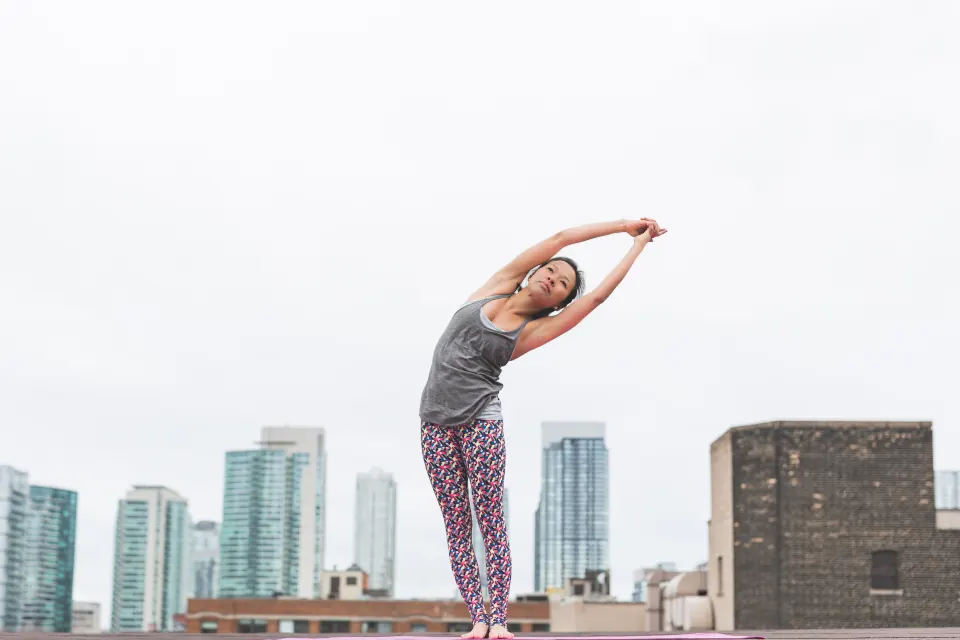
A 10-Minute Stretching Routine for People Who Sit All Day
Gentle stretches for your neck, chest, hips and back that you can do beside your desk or before bed.
How to Build a Walking Habit That Actually Sticks
Forget all-or-nothing step goals. Start where you are, attach walks to things you already do, and grow slowly.