How to Build a Walking Habit That Actually Sticks
Disclosure: Some links in this post are (or may become) affiliate links. If you buy through them, FitVibeLife may earn a small commission at no extra cost to you. We also sell our own guides. Learn more.

Walking is one of the easiest kinds of movement to start and one of the easiest to keep. It needs no skill, very little gear, and you can do it almost anywhere. The hard part is not the walking. It is making it a normal part of your day.
Start with your real number
Before you chase a big step target, find out where you are. For three ordinary days, just carry your phone or wear a tracker and note your daily steps. That average is your starting point.
Then aim for about 1,000 more steps a day than your average. That is roughly ten extra minutes of walking. After two weeks, if that feels easy, add another 1,000.

Attach walks to things you already do
Habits grow faster when they ride on top of an existing routine:
- Walk for 10 minutes after lunch or dinner
- Take phone calls on your feet, pacing or walking outside
- Park at the far end of the lot, or get off the bus one stop early
- Walk the long way to the mailbox, the coffee machine or the school gate
Make the easy choice the default
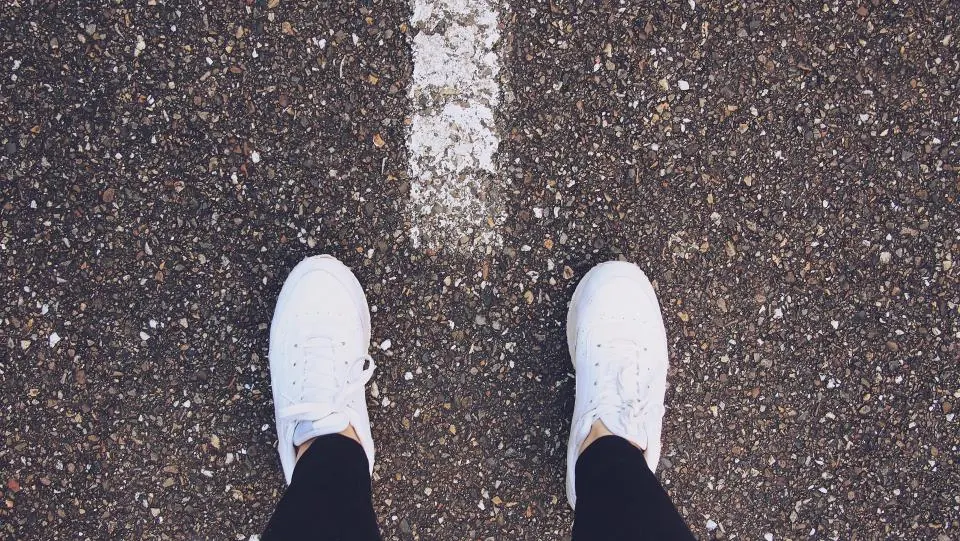
- Keep comfortable shoes by the door
- Put a light jacket or umbrella next to them
- Save a podcast or playlist that you only listen to while walking
Plan for bad days
You will have days when the plan falls apart. On those days, the goal is the smallest version: a five-minute walk around the block. Keeping the chain unbroken matters more than the length of any single walk.
Make it a little harder, later
After a month or so, you can add variety:
- Pick a route with a hill
- Add short bursts of brisk walking (one fast minute, two easy minutes)
- Walk with a friend once a week and go a bit farther
Good walking shoes help on longer routes. If you are shopping for a pair, look for a comfortable fit and good cushioning, such as these walking shoes.
Track gently
A simple calendar with a checkmark for each walking day is enough. If you like numbers, a basic fitness tracker can show your weekly trend, but it is optional.
If you would like a gentle, story-based guide to building habits like this one, my ebook Small Habits That Survive Bad Weeks walks through tiny starts, anchors and restarts.
This article is general information, not medical advice. For personal guidance, talk with a doctor, registered dietitian or other qualified professional. In a crisis in the U.S., call or text 988.

Free 7-Day Balanced Meal Plan
A simple week of breakfasts, lunches, dinners and snacks, plus a grocery list. Join the FitVibeLife email list and get it free. Occasional emails with new posts and guides; unsubscribe any time.
Related posts

Strength Training Twice a Week: A Simple Home Start
How to start muscle-strengthening work at home two days a week, in line with CDC guidance, using bodyweight movements and a short, repeatable session.

How Much Activity Do Adults Need Each Week?
A plain-language look at the U.S. activity guidelines for adults, and simple ways to build toward 150 minutes of movement plus two days of muscle work
A 10-Minute Stretching Routine for People Who Sit All Day
Gentle stretches for your neck, chest, hips and back that you can do beside your desk or before bed.